ASK THE PSYCHOLOGIST ISSUE 70: What Do Experts in the Mental Health Field State Regarding Multiple Psychiatric Medications Adverse Effects?
ASK THE PSYCHOLOGIST ISSUE 70
WHAT DO EXPERTS IN THE MENTAL HEALTH FIELD STATE REGARDING MULTIPLE PSYCHIATRIC MEDICATIONS ADVERSE EFFECTS ?
| Instead of reinventing the wheel by me explaining the title of this issue, I would like to start with a recent article written by the world-renowned author of Medication Madness, etc., etc., DR. PETER AND GINGER BREGGIN. He does a great job in covering the issue in depth. gingerbreggin.substack.com |
“When mothers kill: Isolation, psychiatric drugs, and the need for real support”
The predictable human cost of our psychiatric system…
| DR. PETER AND GINGER BREGGIN AUG 18 2026 (Before getting into Dr Beggins article, I would like the reader to keep the following in mind). When multiple psychotropic drugs are layered together (psychiatric polypharmacy), the risk does not just add up—it multiplies. Clinical studies outline pathways for how these “cocktails” can trigger violent behavior (i.e… suicide, homicide) or fatal cardiac arrests. In the past, the use of straight jackets prevented violent behavior in hospitals. This picture is worth 1000 words. 1. Research on Criminal & Violent Behavior While a single, correctly prescribed antipsychotic has been stated by psychiatry to reduce a patient’s overall violent crime rate (provided no side effects), studies show that stacking multiple BLACK BOX WARNING Brain Altering Psychiatric drugs can have the opposite effect: Increased Behavioral Agitation & Aggression: A clinical database study tracking patients on antipsychotic polypharmacy (taking more than one antipsychotic simultaneously, such as combining Olanzapine and Quetiapine) found a direct correlation with increased behavioral disturbances. Patients on these combinations were significantly more likely to engage in physical violence, severe self-harm, and socially inappropriate or aggressive behavior. ï The Mechanism of “Induced Rage”: When multiple drugs compete for the same metabolic enzymes in the liver (the Cytochrome P450 system), one drug can unintentionally spike the concentration of another in the bloodstream. If a cocktail triggers extreme akathisia (profound, agonizing physical restlessness) or severe serotonin syndrome, patients can experience sudden, uncharacteristic outbursts of rage or panic that result in violent property crimes or assaults. ï Lowered Inhibitions: Research out of Brown University highlights that combining sedating psychiatric drugs (like benzodiazepines or sleep aids) with other psychotropics severely impairs cognitive functioning and lowers behavioral inhibitions. This state of extreme disinhibition can lead to involuntary intoxication, leaving patients prone to violence, erratic or illegal actions with no memory of the event.) Now let’s look at Dr Breggins article. |
Two recent cases have again forced the public to confront the unbearable reality of mothers who kill their children. In Massachusetts, 36-year-old Lindsay Clancy, a former labor and delivery nurse, is on trial for strangling her three young children—Cora, 5; Dawson, 3; and Callan, 8 months—before attempting to take her own life in 2023. Her defense centers on postpartum mental illness and 32 psychiatric medication prescriptions she was given in the four months leading up to the fateful day. Her first exposure taking psychiatric medications was in nursing school in 2012 when she was prescribed Prozac and Wellbutrin. One New Year’s Eve of 2022, Lindsay Clancy admitted herself to a psychiatric hospital. She was desperately trying to get help and was in the care of multiple mental health care professionals. Less than a month later, she strangled her three children with exercise bands and jumped out of a second-story window of her home. She is now paralyzed.
Another Young Mother Kills Her Children
In another tragedy that occurred just this month as the Clancy trial is ongoing and being televised live, North Dakota resident 22-year-old Kailey Erhart is charged with cutting the throats of her three children, killing two (Morgan, 3, and Ava, 6 months) and critically injuring the third child. Court documents state Kailey had been committed to psychiatric services, was on medication, and that Child Protective Services knew of prior threats against herself and the children—yet cleared her to remain with them.
Psychiatric Drugs Can Play a Role
Tragically, psychiatric drugs can play a role in cases of violence, suicide, and crime. My book Medication Madness reports dozens of legal or criminal cases of violence or suicide or other crimes where psychiatric drugs were implicated in the uncharacteristic behavior of the patients. As I have described previously:
Many categories of psychiatric drugs can cause potentially horrendous reactions. Prozac, Paxil, Zoloft, Adderall, Ritalin, Concerta, Xanax, lithium, Zyprexa and other psychiatric medications may spellbind patients into believing they are improved when too often they are becoming worse. Psychiatric drugs drive some people into psychosis, mania, depression, suicide, agitation, compulsive violence, and loss of self-control without the individuals realizing that their medications have deformed their way of thinking and feeling….As a psychiatrist who believes in holding people responsible for their conduct, the weight of scientific evidence and years of clinical experience eventually convinced Dr. Breggin that psychiatric drugs frequently cause individuals to lose their judgment and their ability to control their emotions and actions. Medication Madness raises and examines the issues surrounding personal responsibility when behavior seems driven by drug-induced adverse reactions and intoxication….
The Lyndsay Clancy trial has now revealed that Clancy was a victim of prescription polydrug treatment. Over the last ten days, she was prescribed Quetiapine, Tradozone, Lorazepam, Diazepam, Trazodone, Diazepam, Diazepam, Amitriptyline, Diazepam, and Diazepam in varying doses. Each of these drugs has a generalized sedating or suppressive effect on the brain that would at the least seriously compromise an individual’s cognition, self-control, and judgment, rendering them ultimately unable to adequately manage their emotions and behavior. Looking at her medication chart , in January all nine prescriptions were for highly sedative drugs. Several of these drugs are producing sedation through different biochemical pathways, which could result in a synergistic sedative effect beyond their mere additive effects, causing a cascade of adverse drug reactions on the sedative continuum with a risk of death from suppression of the cardiovascular and respiratory systems.
Anyone on this many psychiatric drugs at once becomes a medical experiment without any precedent because actual experiments and clinical trials never combine this many different drugs at once. Furthermore, it becomes nearly impossible to figure out which of the drugs are creating their intended effects and which are simply adding to a dangerous decline in the patient’s mental alertness and capacity. In effect, Clancy was suffering from a stew of sedative neurotoxins with predictably dangerous effects and very little likelihood of overall improvement.
“As a group, psychiatrists are by far the most arrogant and cavalier prescribers in the field of medicine. They commonly do things that your family doctor would feel is beyond his or her skill level and even unwise, such as starting patients on several drugs at once, giving multiple drugs at maximum doses or higher, changing and stopping drugs without a taper, and getting very angry when their patients complain or want help in lowering doses or getting off the drugs.” —Peter R. Breggin, MD The Most Dangerous Thing You Will Ever Do
The Predictable Human Cost
The disastrous behavior of Lyndsey Clancy and Kailey Erhart is not inexplicable horror. They are the predictable human cost of a system that isolates new mothers, medicalizes normal distress, and then hands the new mothers psychiatric drugs, known to produce CNS depression or sedation, agitation, akathisia (severe psychomotor restlessness), psychosis-like states, and violence.
Pregnant women and especially new mothers need supportive relationships with other adults. As I document in my medical book Brain-Disabling Treatments in Psychiatry: Drugs, Electroshock, and the Psychopharmaceutical Complex, psychiatric drugs disrupt and reduce the capacity to engage with others in a satisfying and healing manner.
The supportive relationships other adults provide for the new mother enable the mother in turn to more fully relate to her infant. In 2020 I wrote:
“An infant and young child’s survival and growth depend on a consistent, loving, nurturing relationship with an adult person…optimally a mother who is breastfeeding the child and who provides the nourishment, security, protection and love to establish a healthy start in life… It has ensured the survival of the mammalian species by cementing mother-child attachment and by facilitating optimal physiological and psychological health in both the mother and her offspring. … Disruptions in nurturing, loving relationships are the most destructive cause of psychological helplessness in infancy and childhood.” Breggin, P. R., & Stolzer, J. (2020). Psychological helplessness and feeling undeserving of love: Windows into suffering and healing. The Humanistic Psychologist, 48(2), 113–132.
When a new mother is overwhelmed by her sudden biological changes mentally and physically, the effects of her emotional, mental, and physical absences can be profound for her children. To prevent negative outcomes and tragedies, the adults surrounding that mother and her new baby need to provide love, connection, and support–not psychiatric drugs that can damage both mother and her child when the infant ingests the drug through the mother’s milk.
I have been warning about these dangers for decades. In 2008, I published a scientific paper documenting the damage and risks for pregnant and postpartum mothers. The evidence has only grown stronger. The cases of Clancy and Erhart are tragic living proof.
The Loneliness of Modern Motherhood
New motherhood has always been physically and emotionally demanding. What has changed is the near-total collapse of the natural supports that once surrounded it. Extended families are scattered. Communities are fragmented. Partners often return to work within days. The result is profound isolation and loneliness at the precise moment a woman is most hormonally vulnerable, sleep-deprived, and overwhelmed by the relentless needs of a newborn.
This isolation is not a minor inconvenience. It is a primary driver of the despair we now label “postpartum depression” or “postpartum anxiety.” A mother left alone for hours or days with a crying infant, no one to take the baby so she can sleep, no one to cook a meal, no one to simply sit with her and say, “you are not failing,” will experience real suffering. That suffering is human, not a chemical imbalance requiring a prescription.
Yet instead of mobilizing family, friends, and community, we send her to a doctor who, more often than not, reaches for an SSRI antidepressant such as Prozac or Paxil. The medical system has replaced the village with a pill.
The Known Dangers of SSRIs to Mothers and Babies
The 2007 CDC study and the accompanying media campaign tried to reassure the public that SSRIs were largely safe in pregnancy. The headlines were a masterpiece of misdirection. In reality, that same study found anencephaly (absence of the forebrain) occurring 2.4 times more often, omphalocele (organs outside the body) 2.8 times more often, and craniosynostosis (fusing of the joints between the bones of the skull) 2.5 times more often among infants exposed to SSRIs in the first trimester. Other research linked specific drugs such as Paxil and Zoloft to serious heart defects. Later data confirmed increased risk of persistent pulmonary hypertension in the newborn and high rates of neonatal withdrawal with irritability, high-pitched crying, tremors, and respiratory distress.
These physical risks to the infant are only part of the story. SSRIs bathe the developing fetal brain in a toxic chemical that disrupts normal serotonin function. Animal studies show abnormal neuronal growth and lasting changes in brain architecture. We have no reason to believe the human fetal brain is somehow immune.
But the danger does not end at birth. After delivery, the same drugs that were prescribed to “treat” the mother’s distress can push her into states of extreme agitation, akathisia, emotional disconnection, and, in the worst cases, violence.
Akathisia is a drug-induced neurological condition of unbearable inner restlessness and agitation. Patients describe it as electricity racing through their veins, as feeling that they will explode, as a compulsion to move that causes severe anxiety and that worsens whatever else is distressing the person physically or emotionally, including depression and psychosis. Decades of clinical literature and the DSM itself link akathisia to irritability, aggression, suicide attempts, and behavioral dyscontrol. SSRIs are well-documented causes of this state. The stimulation continuum they produce—insomnia, anxiety, irritability, hostility, impulsivity, hypomania, and frank mania—can transform a vulnerable, exhausted mother into someone capable of acts that would have been unthinkable days earlier.
I documented these effects in detail as a medical expert in the Lacuzong legal case: a man with no history of violence took a low dose of Paxil for three days, developed akathisia and manic-like symptoms, and drowned his two small children and himself. Internal company documents revealed how data on rapid-onset reactions, akathisia rates, and suicidality had been minimized or obscured. The same mechanisms operate in women.
The FDA’s own later warnings put in the 2004 Full Prescribing Information for all Selective Serotonin Reuptake Inhibitors (SSRIs) list exactly these symptoms in the full prescribing information: anxiety, agitation, panic attacks, insomnia, irritability, hostility, aggressiveness, impulsivity, akathisia, hypomania, and mania. The FDA warns that these can appear early in treatment or with dose changes and can lead to worsening depression and suicidal ideation. Young adults are specifically flagged for increased suicidality risk. Yet the medical establishment continues to prescribe these agents to women in the postpartum period as if the warnings do not exist.
The Catastrophe of the So-called Antipsychotic Drugs
New mothers who express agitation, aggression, images of violence, or thoughts of harming themselves or their infant are frequently prescribed so-called antipsychotics (also called neuroleptics). As I have long defined them, these are brain-disabling agents that work primarily by blocking dopamine neurotransmission, producing a chemical lobotomy-like suppression of frontal-lobe and limbic function; they do not correct any proven biochemical imbalance or disease process—their “therapeutic” effect is the disability itself, the numbing of the brain and mind.
The antipsychotics create a profound detachment from one’s highest centers of the brain—especially the frontal lobes–which are the physical seat of our human abilities to love, to connect, to think rationally, to make moral judgments, and to retain our connections to reality and to our families and our surroundings.
In Lindsay Clancy’s case, the atypical antipsychotic Seroquel (quetiapine) was among the 32 psychiatric drugs layered onto her already fragile postpartum state. These multiple neurotoxic psychiatric drugs can cause overwhelming adverse effects, including intense akathisia, that unbearable inner restlessness and agitation that itself drives aggression, suicidality, and violence, as well as profound emotional flattening and apathy that sever the capacity for maternal bonding, cognitive dulling and mental confusion, Parkinsonian stiffness and other extrapyramidal symptoms, sedation that further isolates the mother from her infant and causes metabolic disruption, and, with continued exposure, the risk of permanent neurological damage such as tardive dyskinesia or tardive akathisia. Far from calming a hormonally and psychosocially overwhelmed new mother, these agents can deepen her disconnection, intensify her agitation, and push an already precarious situation toward a calamitous end.
The Massive Hormonal Shifts Before, During, and After Childbirth
The hormonal shifts a mother undergoes before, during, and after childbirth rank among the most extreme endocrine events in human biology. Throughout pregnancy, estrogen and progesterone climb to levels dozens of times higher than normal, reshaping nearly every organ system, altering brain chemistry, and producing the profound physical and emotional adaptations required to sustain a growing fetus.
At birth, these elevated hormones plummet precipitously—estrogen and progesterone crash to near-menopausal concentrations within days—while oxytocin surges to drive labor and bonding, prolactin rises to initiate lactation, and cortisol and thyroid hormones fluctuate wildly under the stress of delivery and recovery. This abrupt withdrawal, combined with sleep deprivation and the relentless demands of a newborn, creates a physiological storm of emotional lability, anxiety, tearfulness, and physical exhaustion that leaves many women feeling unmoored, hyper-sensitive, and temporarily less resilient.
When these normal but massive hormonal upheavals occur in isolation—without the buffering presence of family, practical help, and community—the resulting distress is too often mislabeled a chemical deficiency and met with psychiatric drugs, rather than recognized as a predictable biological transition that urgently requires human support.
When the “Treatment” Becomes the Catastrophe
Depression during and after pregnancy carries risks. Suicidality and, very rarely, harm to the child can occur. But the SSRIs do not reduce those risks; they amplify them. The drugs themselves are implicated in increasing suicide and violence. Many of the same young women most likely to be prescribed psychiatric drugs are the ones the FDA has explicitly warned are at heightened risk of drug-induced suicidality.
When a mother on these medications kills her children, the system is quick to call it “postpartum psychosis” or untreated mental illness. Rarely does anyone examine the temporal relationship to the start or adjustment of the medication, the presence of akathisia or extreme agitation, or the absence of real human support. The drug is treated as background noise rather than a possible precipitant.
This is not compassion. It is institutional denial.
“Drug company influence over prescription practices has made commonplace what previously was considered bad medical practice. These include:
…
Giving patients multiple drugs at once even though they have never been tested in combination.
Prescribing patients the maximum doses of several drugs when maximum doses are determined on the basis of a patient taking only one psychiatric drug at a time…” Peter R. Breggin, MD Psychiatry: Start Listening to Your Patients and Their Families
What Actually Helps
There are better ways. Exercise has proven efficacy against depression. Empathic counseling helps. Family therapy that brings in the father, grandparents, and other relatives can restore the sense of shared responsibility that modern life has stripped away. Pregnant and new mothers need contact with other mothers—informal support groups, shared meals, someone who has walked the same path and can say “this is hard, and you are not alone.”
Most important, they need concrete plans for the months after birth: people who will take overnight shifts, cook, clean, hold the baby so the mother can sleep or shower, and simply be present. Anticipating and arranging that support is one of the most effective antidotes to the despair that can overtake a new mother.
As one author reminded us, “You know a woman who had a baby this year. You already thought of her name. Do not text her. Go. Bring food she did not have to cook. Hold the baby forty minutes and give no advice at all. Come back Tuesday when nobody is watching….”
These approaches require no black-box warnings. They do not cause birth defects, neonatal withdrawal, or drug-induced violence. They treat the real conditions of isolation and exhaustion instead of pretending a chemical deficiency is the primary problem.
“Pregnant mothers need to stay in touch with other mothers-to-be or to form an informal support group, and they need to plan for as much emotional support as they can find for several months or more after giving birth. Anticipating help and support after the birth is one of the best antidotes to depression during the pregnancy.”
Restoration of Human Care
Pregnant mothers often face a perfect storm of stressors including drastic hormonal changes, absent family support, and an infant filled with demands. The vulnerability of post-partum mothers needs much more attention, and the risks of adding psychiatric drugs must be urgently considered. Family members must make it a top priority to gather around these new mothers to support them and the infant. Physicians must encourage family involvement and staff attention to the mother. The medical culture has medicalized motherhood while abandoning the social supports that once protected it.
WARNING: Psychiatric drugs are not only dangerous to take, but they are also dangerous to withdraw from. Withdrawal from psychiatric drugs should be done cautiously with professional supervision. Please see the book by Peter R. Breggin, MD, Psychiatric Drug Withdrawal: A Guide for Prescribers, Therapists, Patients and their Families.
Resources
Dr. Peter Breggin’s Antidepressant Drug Resource and Information Center–For Prescribers, Scientists, Professionals, Patients and their Families
Dr. Peter Breggin’s Antipsychotic Drugs and Tardive Dyskinesia (TD) Resources Center–For Prescribers, Scientists, Professionals, Patients and their Families
Dr. Peter Breggin’s medical book Brain-Disabling Treatments in Psychiatry–Drugs, Electroshock, and the Psychopharmaceutical Complex
Dr. Peter Breggin’s Psychiatric Drug Withdrawal: A Guide for Prescribers, Therapists, Patients and their Families.
Dr. Peter Breggin’s Medication Madness: The Role of Psychiatric Drugs in Cases of Violence, Suicide and Crime
Summary:
After reading the above, I now ask the redundant question, Can Psychiatric Medications cause a Drug induced crime?
Yes, psychiatric medications can cause a drug-induced crime, though the phenomenon is highly complex, rare, and carries unique legal distinctions compared to illicit drug crimes.
While psychiatric drugs are generally prescribed to reduce symptoms like aggression or impulsivity, severe and unintended adverse side effects can occasionally trigger behaviors that result in criminal offenses, including murder.
Criminologists, psychiatrists, and defense attorneys look at how prescription medications trigger criminal behavior through several distinct avenues:
1. Severe Adverse Side Effects (Paradoxical Reactions)
In rare cases, a patient may experience a reaction that is the exact opposite of what the medication is supposed to do.
- Akathisia and Agitation: Certain antidepressants (like SSRIs) can cause a severe state of internal restlessness, agitation, and extreme distress called akathisia. In rare instances, this extreme physical and mental agitation has been linked to sudden outbursts of aggression or violent crime.
- Disinhibition and Parasomnia: Sedatives and hypnotics (such as sleep aids like Zolpidem/Ambien) can induce “sleepwalking” states or profound behavioral disinhibition. Individuals have committed crimes—such as DUI, assault, or sexual misconduct—while completely asleep or unaware of their actions.
- Mania or Psychosis: Stimulants prescribed for ADHD (like Adderall) or mismanaged antidepressants can occasionally trigger manic episodes, severe paranoia, or psychosis in vulnerable individuals, leading to erratic or illegal actions.
2. Misuse, Diversion, and Addiction
When prescription medications are diverted or abused outside of a doctor’s orders, they fall into the traditional “drug-related crime” patterns.
- Black Market & Theft: Addictive prescription medications (like benzodiazepines, such as clonazepam, or prescription opioids) frequently fuel economic-compulsive crimes like prescription forgery, pharmacy robberies, or theft to fund an addiction.
3. The Legal Defense: “Involuntary Intoxication”
When an illicit drug causes a crime, the law usually considers it voluntary intoxication, which is rarely a valid defense. However, if a legally prescribed psychiatric medications causes a crime, the legal defense of “involuntary intoxication” may apply.
To successfully use this defense, a defendant must typically prove:
- Compliance: They took the medications exactly as prescribed by a physician.
- Unforeseen Effect: The extreme intoxicating or psychotic side effect was completely unexpected and not a result of mixing the drug with alcohol or illegal substances.
- Lack of Intent (Mens Rea): The medication so profoundly impaired their mental capacity that they could not understand the nature of their actions or form the specific intent to commit a crime.
(Note: Major appellate court rulings, such as a prominent ruling by the U.S. Tenth Circuit Court of Appeals, have affirmed that general warning labels on a prescription bottle are not enough to strip a defendant of this defense if they experience an unusually severe, unlisted reaction.)
There have been legal consequences to medical professionals who prescribe multiple medications, without caring about the negative consequences to the patient. Some examples are as follows:
1. Matthew Perry (Died October 2023)
Dr. Salvador Plasencia: A physician who conspired with others to sell Perry thousands of dollars’ worth of black-market ketamine, mockingly texting about how much the actor would pay.
- Dr. Mark Chavez: Another physician who fraudulently obtained ketamine from a wholesale distributor to pass along. He surrendered his medical license, pleaded guilty, and received eight months of home confinement for his role.
2. Prince (Died April 2016)
No one was ever criminally prosecuted for Prince’s death.
- The only legal action: A local physician, Dr. Michael Schulenberg, paid a $30,000 civil settlement to the federal government. Prosecutors alleged he had illegally written a prescription for opioid painkillers under the name of Prince’s friend to protect the singer’s privacy, though it was determined that this specific prescription did not cause Prince’s death.]
3. Michael Jackson (Died June 2009)
Dr. Conrad Murray, Jackson’s private personal physician, was the sole individual criminally prosecuted and convicted.
Following a highly publicized 2011 criminal trial (People v. Murray), a jury found Dr. Murray guilty of involuntary manslaughter. The prosecution proved that Murray acted with gross negligence by routinely administering propofol—a powerful surgical anesthetic meant strictly for hospital use—in Jackson’s bedroom to treat his insomnia. Murray also delayed calling 911 while attempting to hide empty drug vials and medical evidence.
- The sentence: Murray was sentenced to the maximum of four years in prison and had his medical licenses revoked. Due to California prison overcrowding laws, he was released after serving two years in county jail.
- The Murder of Chris Kyle February 2, 2013
Prior to the murders, the killer, Eddie Ray Routh had been hospitalized multiple times for psychiatric care and was prescribed a heavy cocktail of legal medications. Testimony and medical records from his trial on NBC DFW revealed that his mother stated he was taking up to nine different psychiatric medications at one point.
The primary (But not all) legal psychiatric medications prescribed to Routh leading up to the events included:
- Risperidone: An atypical antipsychotic prescribed to him by the Veterans Administration (VA) as early as 2011 to treat hallucinations, delusions, and severe symptoms associated with PTSD and schizophrenia.
- Haldol (Haloperidol): A high-potency conventional antipsychotic given to him during acute psychiatric hospitalizations to manage severe psychosis and aggressive or impulsive behavior.
- Seroquel (Quetiapine): An antipsychotic often used to treat schizophrenia, bipolar disorder, and severe sleep disturbances.
- Paxil (Paroxetine): An SSRI antidepressant prescribed to help manage depression and PTSD symptoms.
- During the search of Routh’s home following his arrest, law enforcement found multiple bottles of these antipsychotic and psychiatric medications on top of his refrigerator. A major point of contention during the trial was whether Routh was taking his medication as prescribed or if his psychosis was exacerbated by combining his illnesses with alcohol and marijuana abuse.
- Medical Accountability: While questions and public debate were raised regarding Routh’s prior treatment and diagnoses at Veterans Affairs (VA) facilities, no medical doctor, psychiatrist, or staff member faced criminal prosecution or legal charges for the shooting.
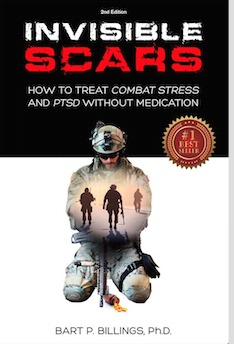
In my book, INVISIBLE SCARS, there is a chapter (11) that discusses a Marine Veteran suing the VA Hospital in Scranton Pennsylvania for adverse effects of multiple psychiatric medications and winning millions of dollars.
Documented Dangers and Cases of Dead In Bed
- Service Members: An investigation by The New York Times revealed that multiple military veterans diagnosed with PTSD died peacefully in their sleep after being prescribed overlapping cocktails of painkillers and psychiatric medications.
- Family Loss: Experts have spoken out about the hidden epidemic of overmedication; for instance, in an essay for TIME, a doctor shared how her son unexpectedly died in his bed from prescribed drug interactions.
- Premature Risks: Research outlined by Mad In America shows that taking multiple psychiatric drugs over long periods greatly increases the risk of early death.
P. Billings, Ph.D.
COL SCNG-SC, Military Medical Directorate (Ret.)
Functioned as: Licensed Clinical Psychologist CA PSY 7656
Licensed Marriage, Family Therapist CA LMFT 4888
-Director/Founder International Military & Civilian Combat Stress Conference
-Initial Enlisted Ranks and Retired as Medical Service Corps Officer with a total of 34 years in US Army
-Recipient of the 2014 Human Rights Award from Citizens Commission on Human Rights International & The University Of Scranton “Frank O’Hara Award” in 2016.
bartbillings@yahoo.com
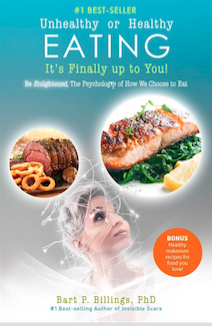
http://bartpbillings.com (“How The Media Creates Victims…,Invisible Scars” & “Unhealthy Eating …” Books Website)
www.combatstress.bizhosting.com (Combat Stress Conference website)
www.youtube.com/watch?v=F02HElsg8uI
Cell 760 500-5040
Ph 760 438-2788
MOST CURRENT BOOK
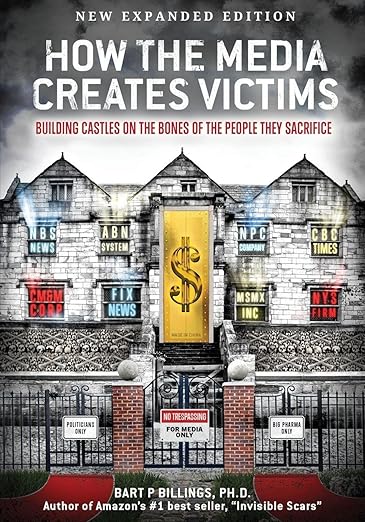
https://www.amazon.com/How-Media-Creates-Victims-sacrifice/dp/1957832835
Customer reviews
4.7 out of 5 stars
–“Dr. Billings has beautifully consolidated and researched the major issues that our country faces today.”–“purchased 50 COPIES of the book to give out as gifts!”–“book proves that Google = Goebbels, Meta = Marx, and Media = Mayhem”
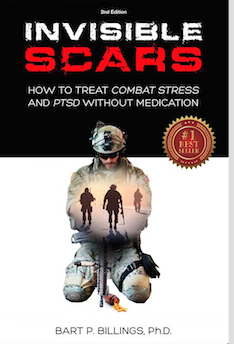
Some Amazon 5 Star
Recent Customer Reviews
– This Book Saved My Life.
– I am sure that this book will save lives.
– 25 pages into Invisible Scars, I knew that it was the second most important book I would ever read…after the Bible. — David T. Ossian, Asst. National Vice Commandant , Marine Corps League
– This book is life changing…everyone needs to read …. http://a.co/4wlhtsa Danny Jimenez
5.0 out of 5 stars I have lost 140 lbs in 3 years …
At least 70 is from this Book